





Aircraft Fuel System: Composition, Functions, Importance, and Maintenance Requirements
 Sep 02, 2025|
 The aircraft fuel system is a critical component that ensures flight safety and efficiency. Its design and operation extend far beyond simple fuel storage and delivery. It must safely store large quantities of fuel required for flight, primarily in wing tanks. More importantly, the system utilizes a series of precision pumps, valves, and management pipelines to ensure a continuous and stable supply of fuel to the engines under all flight conditions-whether during climb, dive, or severe turbulence-without interruption. Additionally, transferring fuel between different tanks to adjust the aircraft's center of gravity is another essential function, effectively reducing flight drag and maintaining airframe stability.
Core Functions of the Fuel System
- Fuel Storage: Safely store large volumes of fuel required for flight in areas such as wings and central tanks.
- Reliable Fuel Delivery: Ensure a continuous and stable supply of fuel to the engines under various flight attitudes (e.g., climb, dive, inverted flight) through a series of pumps, valves, and pipelines.
- Providing Clean Fuel to Engines: Equip multi-stage filtration systems (screens, coarse/fine filters) to remove water, particulate matter, and other contaminants, protecting the precision components of the engine's fuel control system.
- Maintaining Aircraft Balance (Trim): Adjust the aircraft's center of gravity by transferring fuel between different tanks, reducing flight drag, improving fuel efficiency, and ensuring stability.
Key Components of the System
Fuel Tanks: Typically located within the wings, serving as the primary storage units.
Refueling/Defueling System: Used for rapid ground refueling or defueling for maintenance purposes.
Ventilation System: Maintains pressure balance inside and outside the fuel tanks to prevent deformation due to overpressure or vacuum.
Fuel Transfer System: Includes pumps, pipelines, and valves responsible for moving and distributing fuel.
Indication System: Instruments and sensors that provide pilots with critical data such as fuel quantity, temperature, and pressure.
Fuel Quality and Contamination Control
Given the extreme importance of fuel quality, the key points are outlined below:
Types and Sources of Contaminants
Particulate Contamination: Primarily includes mechanical impurities such as pipeline corrosion products, dust, and sand. These particles can severely wear precision components of the engine's fuel control unit (e.g., fuel pumps, metering valves), leading to failure.
Water Contamination: One of the most common and highly hazardous contaminants. Mainly originates from condensation of air moisture in fuel tanks or intrusion during storage, transportation, and refueling. Its hazards are multifaceted.
Microbial Contamination: Refers primarily to fungi and bacteria (e.g., Hormoconis resinae) that thrive at the oil-water interface. They form biofilms, corrode aluminum alloy tanks, and their mycelia can aggregate and clog filters.
Unique Hazards and Consequences of Water Contamination
Icing Risk: Under high-altitude low-temperature conditions, dissolved and free water can crystallize into ice, potentially completely blocking filters (Filter Icing), causing engine flameout due to rich or lean fuel mixture and resulting in complete loss of power.
Promoting Microbial Growth: Provides the necessary conditions for microbial reproduction, exacerbating biological contamination.
Equipment Corrosion: Free water can cause internal corrosion of storage tanks, pipelines, aircraft fuel tanks, and other equipment.
Impact on Combustion Performance: Reduces the calorific value of fuel and affects the engine's combustion efficiency.
Multi-Layer Protection and Real-Time Monitoring Technology
The aviation industry employs a "defense-in-depth" strategy to ensure fuel cleanliness, which includes:
Precision Filtration Systems: The aircraft fuel system itself is equipped with multi-stage screens and monitor filters as the final barrier.
Standardized Ground Operations: Strict adherence to procedures such as draining sediments and regularly cleaning storage tanks.
Online Real-Time Monitoring Technology: This is the most critical front-line protection measure in modern refueling operations. During refueling, high-precision water detection instruments are connected in series within the refueling pipeline. They enable real-time, continuous analysis of water content in high-flow-rate fuel, with sensitivity capable of detecting water contamination at ppm levels. If detection results exceed safety thresholds, the system immediately triggers audible and visual alarms and automatically cuts off the fuel flow, thereby blocking contaminants before they enter the aircraft fuel tanks and significantly enhancing safety redundancy.

CASRI Water Detection Capsules can be used to indicate the presence of free water (suspended water) in jet fuels at handling temperature, which is simple, rapid and sensitive.
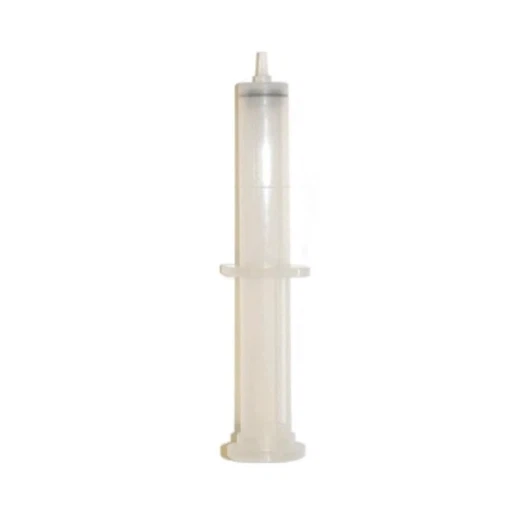
In order to perform the Water Detection test we offer a series of re-useable 5ml syringes.

Easy 5ml sampling for CWD test.
Modular design featuring replaceable components:
✓ Nozzle tip assembly
✓ O-ring seals
✓ 5ml metering cylinder unit
Given the extremely high safety requirements, the daily maintenance, repair, and overhaul (MRO) of aircraft fuel systems must be performed by strictly certified professionals using specialized equipment and adhering to international standards to ensure every step is faultless, ultimately safeguarding every flight.